Active Release Techniques (ART)
A certified, hands-on soft tissue method for the scar tissue and adhesions that build up in overused muscle, tendon and nerve.
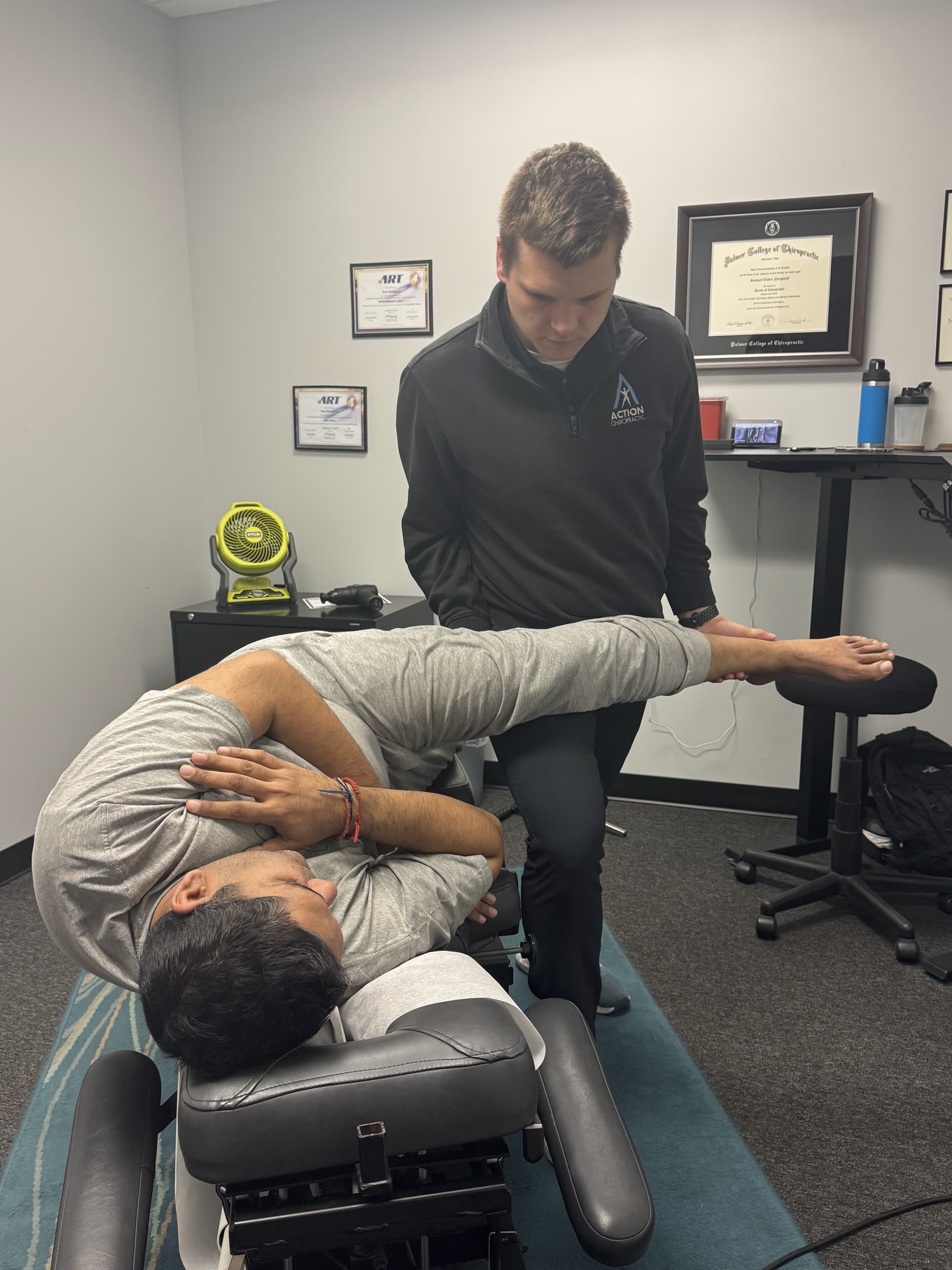
What it is
Understanding active release (art)
Active Release Techniques was developed by Dr. P. Michael Leahy, who noticed that most stubborn soft tissue problems shared one thing: scar tissue and adhesions restricting normal movement. ART is a patented system for finding and releasing them.
It is the therapy patients most often travel to us for. Dr. Durnas is ART certified, and it is the reason a lot of runners, lifters and desk workers end up here after other treatment has stalled.
How it works
How a session actually runs
Three steps, every time. The assessment is the part that makes the treatment specific.
Feel for the restriction. Your provider assesses movement, tension and tissue texture by hand. That hands-on evaluation is what locates the scar tissue, adhesion or abnormal texture causing the problem.
Apply tension to the exact tissue. Precise contact is held on the restricted tissue. This is why the technique is specific to you rather than a general rub down of the sore area.
Move the tissue under that tension. You actively take the limb or joint through its range while the contact is held. The movement under tension is what frees the adhesion, and it is the part that separates ART from passive massage.
How it compares
Why this is not a deep tissue massage
General massage
- Works over a broad, sore area
- You lie still throughout
- Aims at relaxation and circulation
- Feels good, often fades within days
Active Release Techniques
- Works the one restricted structure found on assessment
- You move the limb while contact is held
- Aims at freeing a specific adhesion
- Targets the mechanical cause of the restriction
What it helps
What ART is used for
- Repetitive strain injuries
- Tennis and golfer's elbow
- Plantar fasciitis
- Shin splints
- Rotator cuff pain
- Hamstring and calf strains
- Carpal tunnel symptoms
- IT band and hip restriction
- Sciatic nerve entrapment
- Neck and shoulder tension from desk work
Explore more
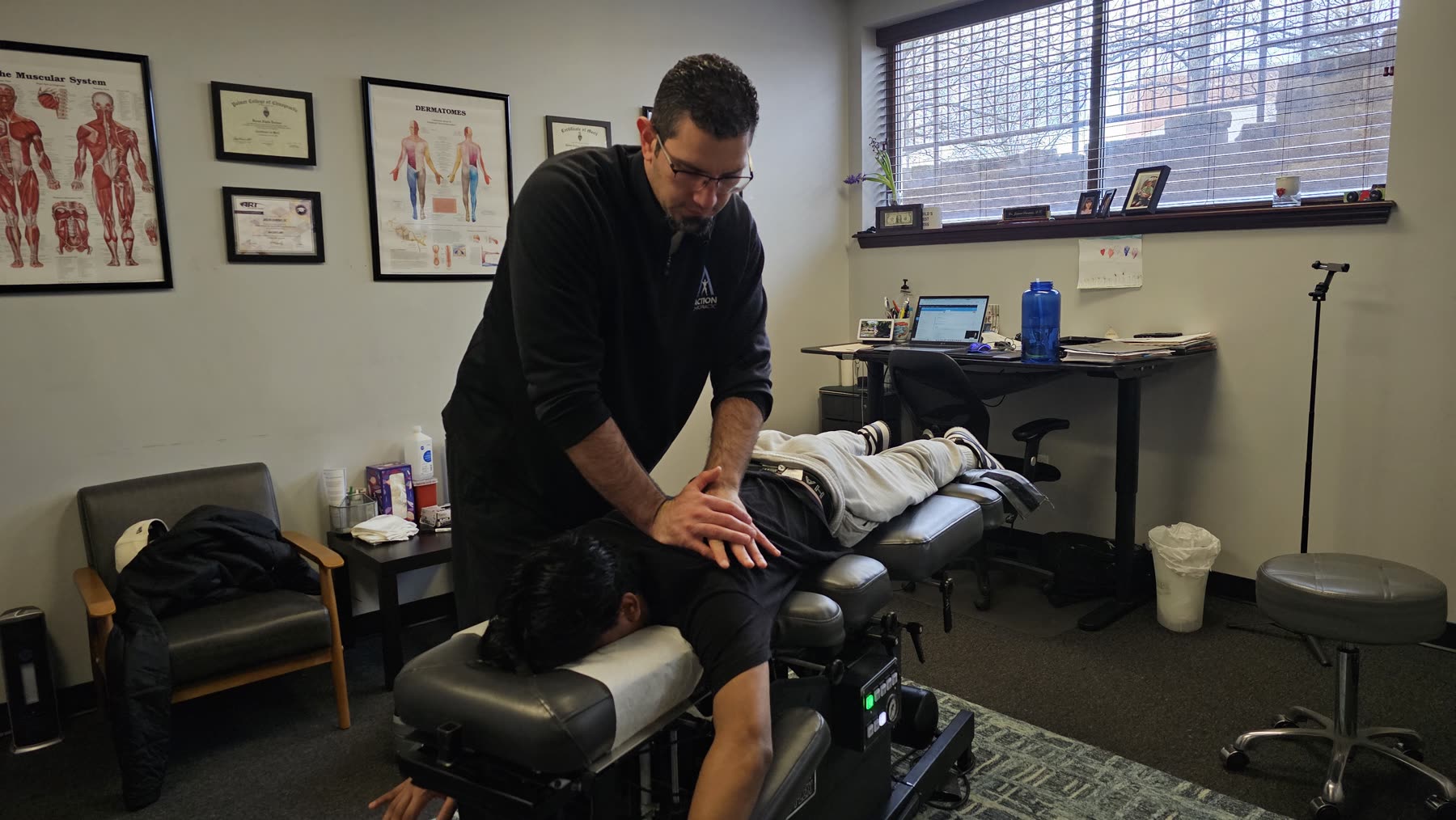
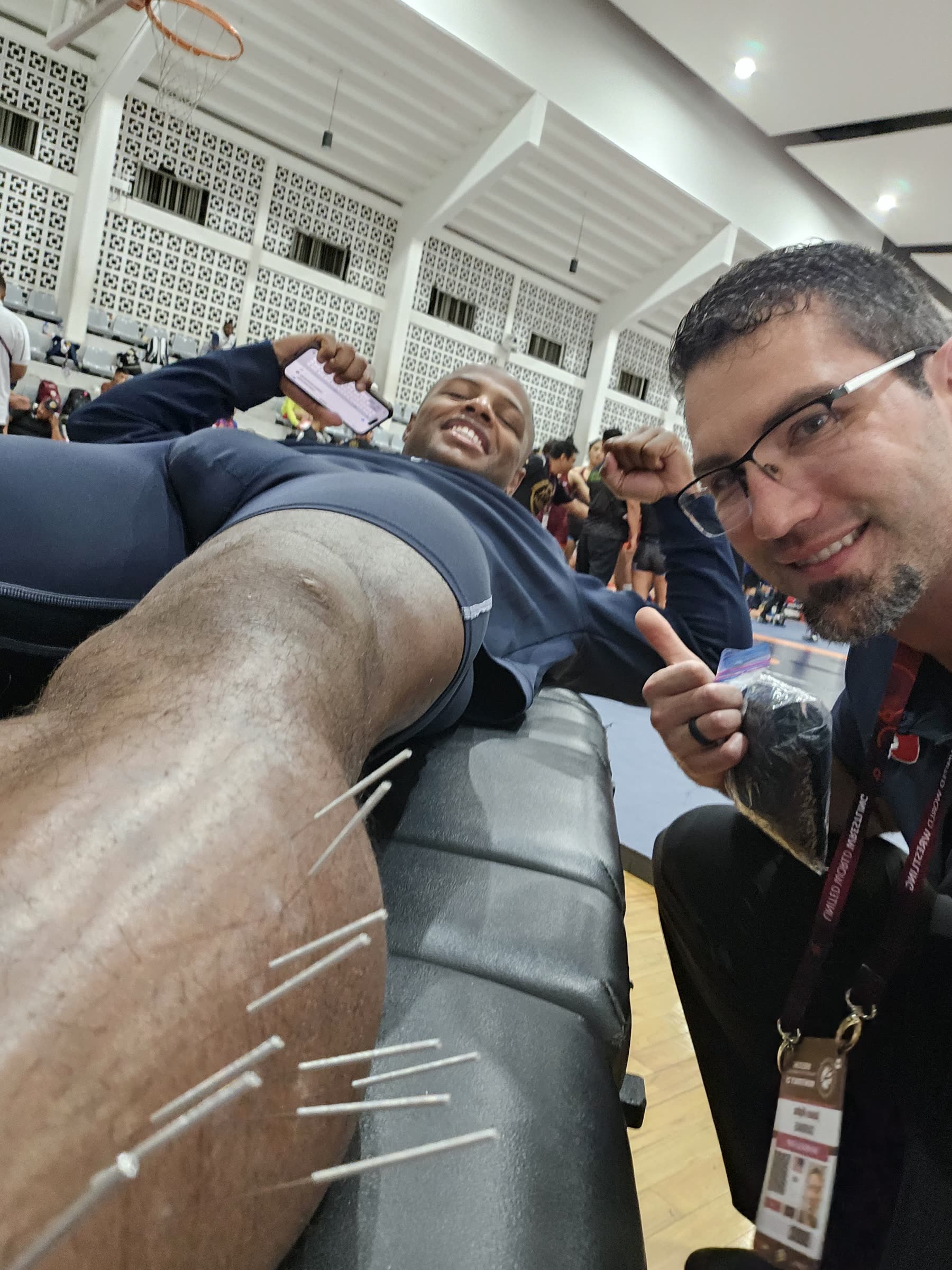
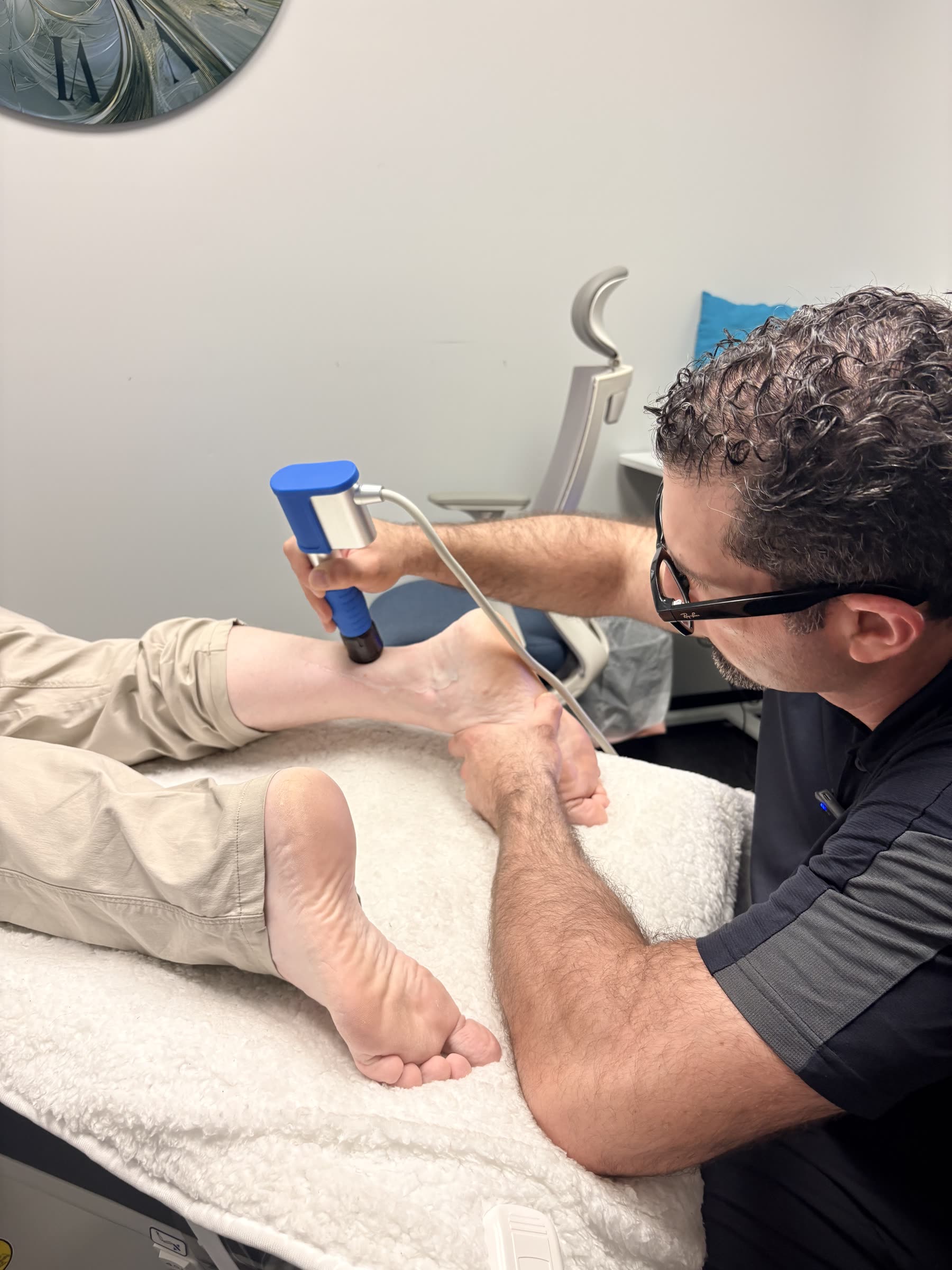
Other ways we can help
Start here
Your health deserves
better.
Whether something hurts today or you simply want to move well for a long time, it starts with one visit.