Concussion Treatment
Active, staged concussion rehab rather than sitting in a dark room waiting for symptoms to pass.
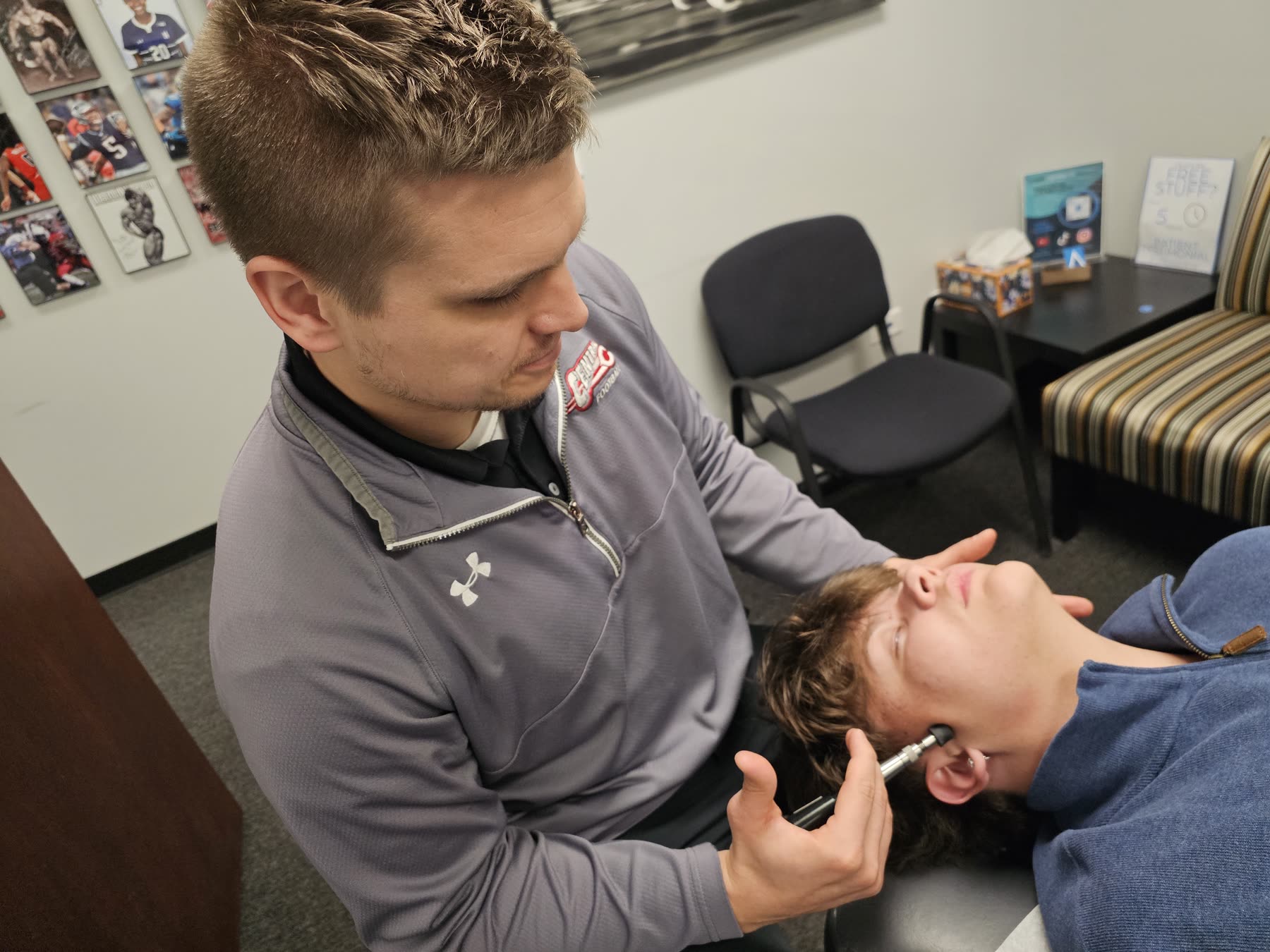
What it is
Understanding concussion treatment
A blow to the head or a sudden jarring of the body does more than rattle the brain. It sets off neurological and physiological changes that can stall everything you do.
We treat concussion as a functional injury. The work is identifying which systems were compromised, vestibular, ocular or cervical, and rehabilitating those specifically. That is a different approach from rest-and-wait, and it is why this sits alongside our sports work rather than apart from it.
How it works
What a rehab plan includes
A concussion plan here is multi-system, because the injury usually is.
Identify the systems involved. Vestibular, ocular and cervical function are assessed separately. Which of them was compromised determines the whole plan.
Restore movement and joint function. Physical therapy work addresses the neck and the joint restriction that so often comes with the same impact.
Sharpen the brain and body connection. Neurological drills are used to rebuild coordination between what the eyes and the vestibular system report and what the body does about it.
Build the postural base back up. Strong postural musculature supports the longer-term result, so the plan finishes with strengthening rather than stopping at symptom relief.
How it compares
Active rehab, not rest and wait
The traditional protocol
- Rest in a dark room until symptoms pass
- Waiting as the primary intervention
- Little assessment of which system was hurt
- Return to activity judged by time elapsed
How this clinic approaches it
- Vestibular, ocular and cervical systems assessed separately
- Active, staged rehabilitation of the systems involved
- Neurological drills alongside the physical work
- Return to activity staged against progress, not the calendar
What it helps
Signs we look for
A brain injury rarely presents in a straight line. You can feel fine after a hit and have the fog settle in hours or days later.
- Fog or slowed thinking arriving after the impact
- Headache that will not settle
- Balance and vestibular disturbance
- Visual or ocular symptoms
- Neck pain and restriction from the same impact
- Light or noise sensitivity
- Sleep disturbance
- Difficulty concentrating
Explore more
Other ways we can help
Start here
Your health deserves
better.
Whether something hurts today or you simply want to move well for a long time, it starts with one visit.