What Are The Benefits Of Soft Tissue Therapy?
Are you suffering from a specific, lingering pain that limits your physical movement during daily tasks or your favorite workouts? It’s basically your musculoskeletal structure screaming to give up. When your musculoskeletal structures overwork, they cause deep structural restrictions. Your daily life and performance often get diminished due to persistent muscle tension, overuse injuries, and restricted movement.
To be specific, merely the simple resting protocols cannot resolve this effectively. Overlooking your structural restrictions does nothing but trap your joints in repeated cycles of painful compensation. Breaking this painful loop requires an active, mechanical intervention that targets your compromised fibers directly at the source.
Specialized treatments like “Soft Tissue Therapy” can help you restore the full physical range of motion. Soft tissue therapy manually targets your restricted connective tissues to eliminate chronic discomfort and accelerate your natural recovery.
It’s a clear and proven roadmap that addresses these localized mechanical restrictions rather than simply masking your symptoms.
But are you unsure of the core benefits of soft tissue therapy? Understanding the specific physiological advantages can help you make informed choices about your healing journey.
Our detailed breakdown highlights the most significant soft tissue therapy benefits and how each process works. You will discover exactly how this specialized manual work repairs hidden muscular damage and accelerates your athletic recovery.
We have also explained how combining tissue care with physical adjustments can maximize your total range of motion. By the end, you will learn when to seek reliable soft tissue therapy and key factors for choosing the right provider.
What Is Soft Tissue Therapy?
Soft tissue therapy is a highly targeted, evidence-based system of manual and tool-assisted physical interventions. Trained practitioners design these specific treatments to assess, isolate, and resolve structural abnormalities within your muscles, tendons, and ligaments.
Suffering an unexpected soft tissue muscle injury triggers an immediate, chaotic production of thick, disorganized internal scar tissue layers. The dense fibrous material glues your moving muscle planes together. It creates painful friction during basic daily movements.
Soft tissue therapy systematically breaks up these deep adhesions to allow fresh, oxygenated blood back into the area. A focused mechanical stimulation like this reorganizes your microscopic collagen fibers effectively. With precise mechanical pressure, it’s possible to permanently restore your natural flexibility and tissue strength.
What Are The Common Methods Of Soft Tissue Therapy?
Soft tissue therapy relies on a range of evidence-based, clinical approaches. Based on the exact density and depth of your physical restrictions, specialists select specific manual modalities.
These technical approaches ensure that your treatment targets the precise layer of damaged tissue causing your limitation:
1. Active Release Technique (ART)
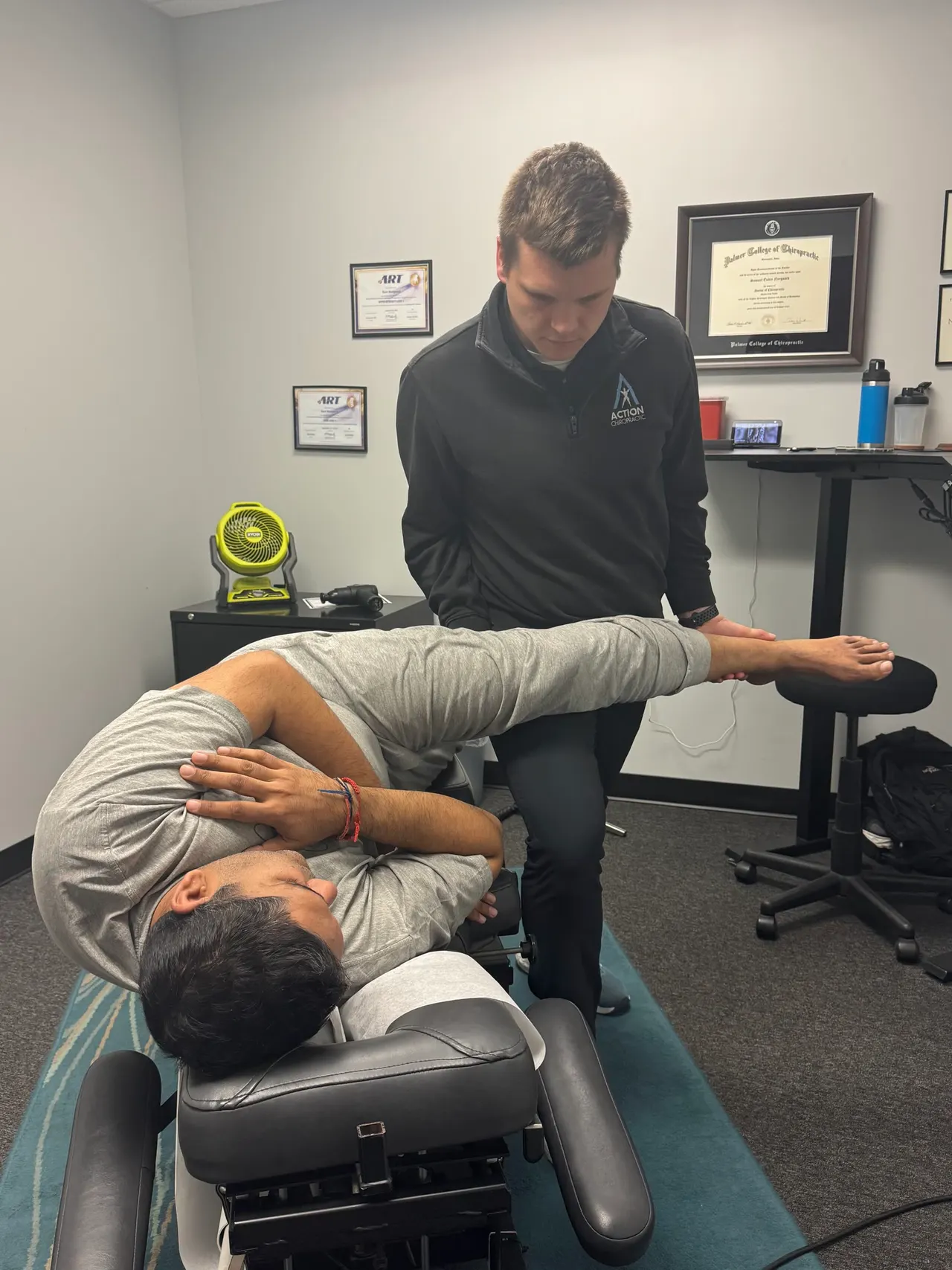
Active Release Techniques involves a combination of directed manual tension with patient-specific movements to target deep muscular restrictions. It’s a dynamic process to quickly separate bound tissues and successfully release trapped peripheral nerves. The method effectively restores normal sliding mechanics.
2. Myofascial Release Therapy
In this process, the chiropractor first applies sustained, multidirectional shear forces across your body. The sole objective is to smooth out severe distortions within your fascia.
Sustained, precise pressure warms up the restricted connective fibers and shifts them from rigid states to pliable gels.
By integrating myofascial release therapy, they eliminate the stubborn structural friction causing chronic joint stiffness and postural tracking errors.
3. Trigger Point Therapy
When it comes to the trigger point method, the expert applies concentrated, direct ischemic compression to hyperirritable nodules. These nodules mainly stay hidden within your tight muscle bellies.
Softening these locked points interrupts chronic pain loops instantly. It then drastically reduces the radiating discomfort that has been affecting your lifestyle for so long.
4. Rehab-Based Soft Tissue Work
This integrated approach pairs localized manual tension with targeted resistance exercises to reinforce your newly gained movement. Strengthening your muscles during this pliable state ensures your joints remain perfectly stable during high-velocity training.
5. Instrument-Assisted Soft Tissue Mobilization (IASTM)
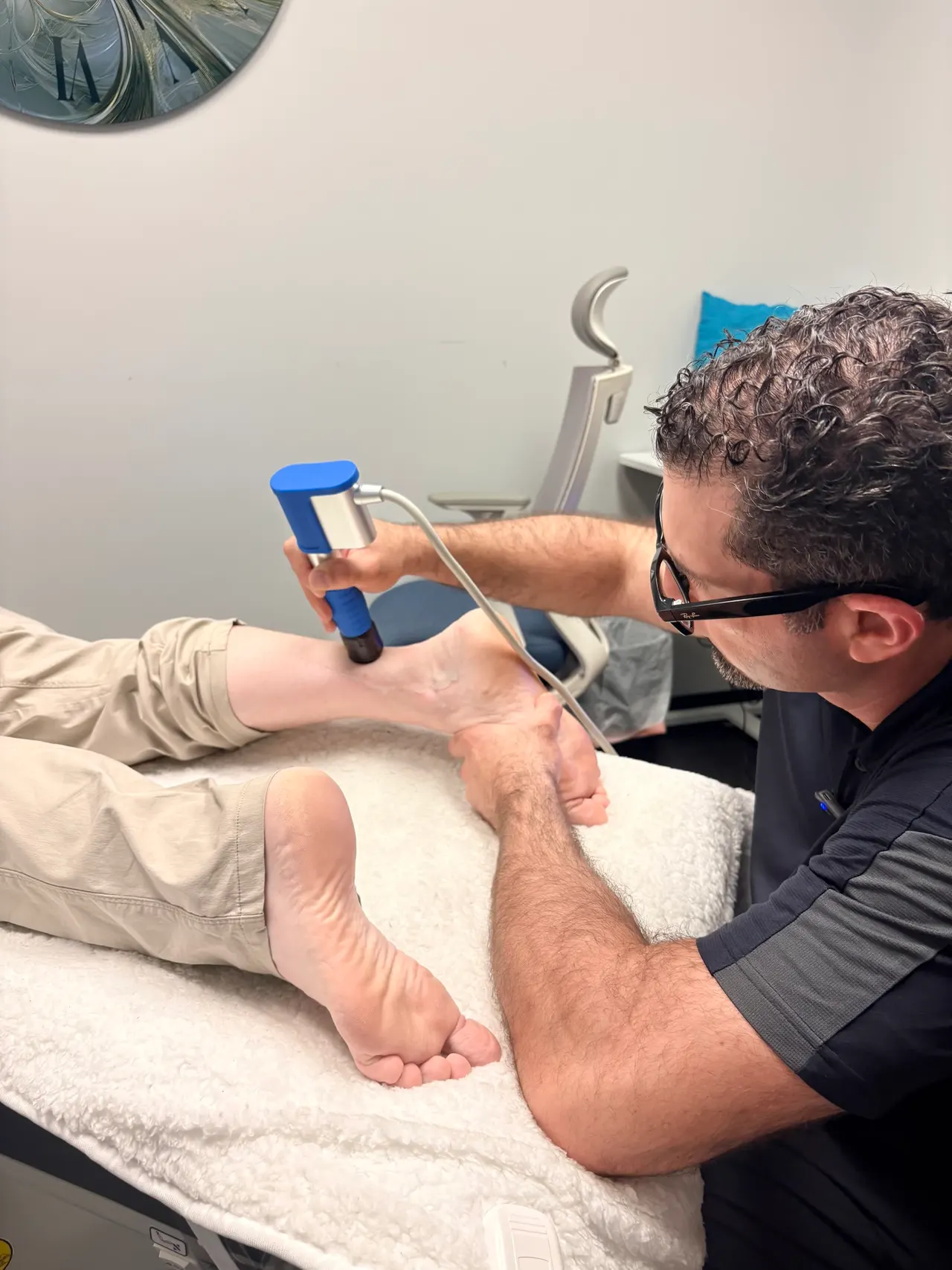
In the case of Instrument-Assisted Soft Tissue Mobilization, the use of specialized, medical-grade ergonomic stainless steel tools is common. With these tools, the practitioners can scan and scrape deeply restricted fascial planes. The advanced scraping technique creates controlled microvascular changes, which rapidly restart your body’s natural localized healing responses.
How Does Soft Tissue Therapy Work?
A soft tissue therapy alters your local tissue architecture by applying targeted external forces directly to your restricted areas. On one hand, the physical compression stretches your rigid connective boundaries. On the other hand, it signals your nervous system to drop its protective guarding.
Here is a breakdown of how it works:
1. Decompressing Local Neurological Pathways
Targeted manual pressure lifts heavy, painful physical compression away from your highly sensitive peripheral nerve structures. Removal of this mechanical irritation stops your nerves from broadcasting continuous distress signals directly to your central nervous system.
2. Restarting the Local Inflammatory Cascade
Your body holds stagnant, improperly healed musculoskeletal tissues. Application of focused friction creates controlled micro-trauma inside these areas. Such a targeted stimulus triggers an immediate rush of fresh blood, delivering the vital nutrients necessary to repair cells
3. Breaking Dense Fibrous Adhesions
Direct manual shear forces physically separate overlapping muscle layers that have become stuck together over time. Personalized soft tissue therapy can eliminate these internal cellular knots. Your individual muscle fibers become able to glide smoothly without causing sudden pain.
4. Realigning Microscopic Collagen Fibers
Manual elongation forces your newly forming collagen strands to organize in clean, parallel structural patterns. It’s a precise alignment that prevents your healing tissues from developing brittle, inflexible patches that restrict future movement.
5. Down-Regulating Central Nervous System Tone
Sustained physical touch can feasibly stimulate your local mechanoreceptors. In this way, your hyperactive muscles get to relax systematically. It’s a complete neurological reset to decrease baseline muscle tension. After a successful procedure, you can move freely without experiencing constant tightness.
The Benefits of Soft Tissue Therapy for Pain and Mobility
Having chronic pain creates a frustrating cycle where muscle tension triggers nerve sensitivity. In turn, it worsens the tension further over time. Soft tissue therapy directly addresses this by releasing muscular tightness and calming overactive nerve pathways.
Based on clinical evidence and consistent patient outcomes, we have jotted down the core benefits of soft tissue therapy in the points below:
Restoring Optimal Natural Joint Mobility
Most people experience restricted movement without understanding the root cause behind it. Limited joint mobility often results from fascial adhesions and tight tissue. Soft tissue therapy breaks through these restrictions by releasing bound tissue and then restoring your natural range of motion.
You will consistently report moving more freely. Bending, lifting, and reaching, without the familiar resistance, becomes a piece of cake for you. Such a restoration directly improves your quality of life and functional independence.
Accelerating Cellular Waste Removal
When muscles stay tight, circulation decreases, and metabolic waste accumulates in tissues. Going forward, it contributes to significant inflammation and prolonged recovery. Soft tissue therapy improves lymphatic flow by releasing muscle tension, which helps your body naturally clear waste products.
Studies show that when blood circulation is enhanced, it reduces swelling and accelerates healing. Patients notice decreased inflammation and improved tissue recovery, which supports faster pain resolution and better overall wellness.
Balancing Uneven Musculoskeletal Pull
Muscle imbalances originating from repetitive movements and poor posture cause one side to overwork. At the same time, the other side weakens. This places stress on joints and the spine. Soft tissue methods identify and release these imbalances by lengthening tight muscles and restoring proper balance.
A biomechanical correction like this significantly reduces joint stress, improves alignment, and prevents degenerative wear. Expect improved posture, reduced pain, and noticeably enhanced functional stability.
Boosting Native Neuromuscular Coordination Efficiency
Having tight muscles limits proprioceptive feedback to your brain, thereby affecting balance and coordination significantly. Soft tissue treatment can efficiently remove restrictions and allow clearer neuromuscular communication, along with better motor control.
After releasing the tightness, your nervous system can regain sensory input from muscles and joints. We have seen patients consistently reporting better balance, enhanced fine motor skills, and improved movement control.
Elevating Daily Sleep Rest Quality
During physical pain, your nervous system stays on alert as well as disrupts your sleep. Proper soft tissue techniques like ART, IASTM, and trigger point technique relieve discomfort. They cause wakefulness and restlessness in your body. In this way, by reducing pain signals, your body shifts into deep, restorative sleep.
You will wake up refreshed because your body has stopped fighting pain at night. With time, such improvement compounds, enhancing health, daytime energy, and physical recovery.
How Soft Tissue Therapy Helps Sports Injuries Recover Faster?
Athletic training places immense, repetitive mechanical stress on your joints. You frequently experience micro-tears and complex ligament strains. Utilizing specialized sports injury therapy prevents these acute traumas from locking your body into permanent, performance-limiting compensation patterns.
Below, we have elaborated on how beneficial soft tissue intervention is for sports-related injuries:
Minimizing Restrictive Scar Tissue Formation
Proactive manual work prevents your healing collagen from forming tight, chaotic knots across your moving muscle groups. Experts provide you with this protective care to ensure your recovering tissues retain their natural elasticity. Your body functions best when these tissues possess maximum explosive power output capacity.
Optimizing Local Cellular Nutrient Influx
Your damaged, oxygen-deprived sports injury zones need increased arterial blood flow. And focused physical stimulation through therapeutic soft tissue intervention does exactly that. The continuous nutrient delivery drastically shortens your overall recovery timeline, letting you return to your workouts sooner.
Rebuilding Your Natural Functional Pliability
If you are an active individual, experience the true benefits of soft tissue mobilization as muscles become incredibly supple during your recovery. Pliable tissues absorb sudden training impacts efficiently, which shields your vulnerable bones from suffering stress fractures.
Restoring Precise Proprioceptive Brain Signals
Targeted manual care cleans up your damaged sensory receptors that track joint positioning and full body balance. Restoring these clear pathways is essential. You become able to execute complex, high-velocity movements with absolute athletic precision.
Why Do Athletes And Active Individuals Combine Soft Tissue Therapy With Chiropractic Care?
Anyone with an active lifestyle who understands the essence of peak performance demands both structure and function. Combining soft tissue treatment with chiropractic adjustments creates a synergistic approach that tackles the complete picture.
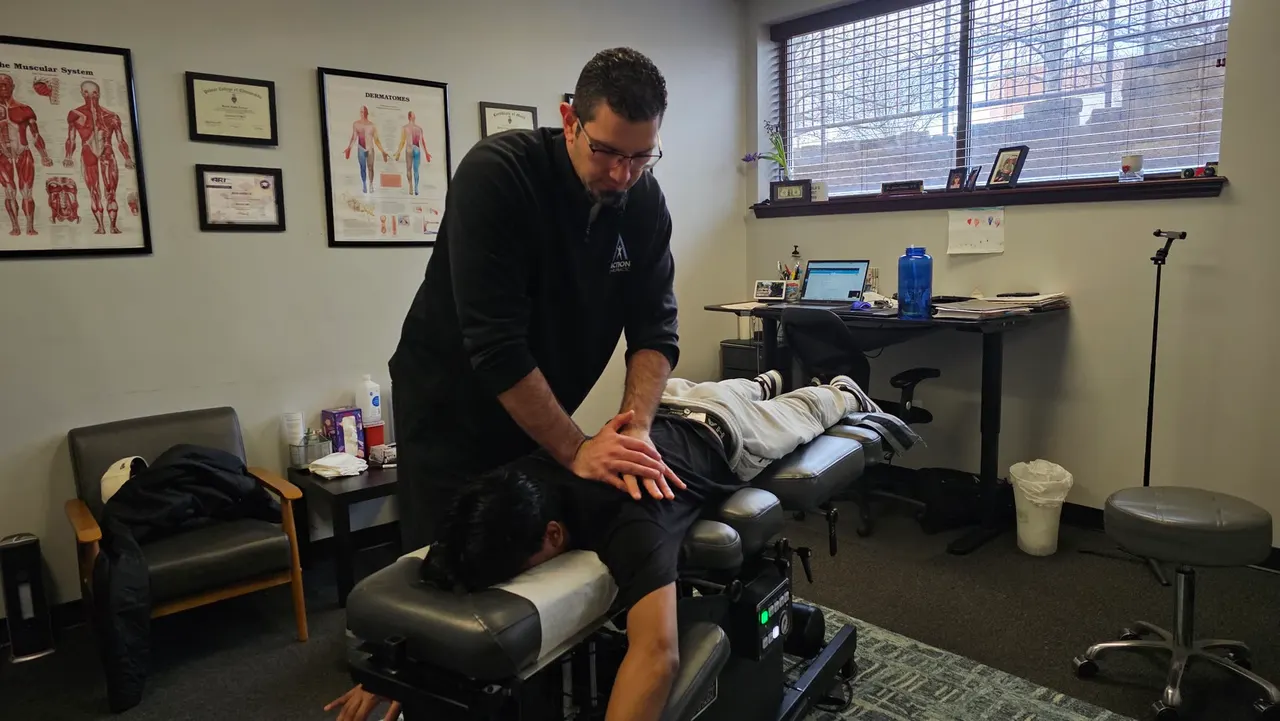
While chiropractors realign your skeleton and nervous system, soft tissue specialists release the muscular tension. This tension constantly pulls bones out of proper position. It’s an integrated strategy to keep corrections stable longer, reduce nerve compression, improve mobility, and optimize overall physical efficiency.
What’s the result? Better performance, faster recovery, and fewer injuries.
Take a look at these key aspects to decode the importance of balancing both chiropractic methods and soft tissue approaches:
· Soft tissue releases muscle tension, holding misaligned joints out of place.
· Decompressed nerves fire stronger, improving muscle response and athletic reaction time.
· Combined approach unlocks the full range of motion for explosive power generation.
· Balanced structure requires less energy, improving stamina throughout intense competition.
· Integrated care prevents recurring injuries by addressing root biomechanical problems permanently.
When Should You Consider Soft Tissue Therapy?
Now that’s a million-dollar question. We have seen patients often neglecting their symptoms and visiting only when things escalate.
Seek out professional manual care the moment persistent physical tightness begins to alter your normal movement. Ignoring these early warning signs allows minor muscular imbalances to evolve into severe, chronic joint restrictions.
Experiencing Unyielding Muscle Stiffness
If your muscles remain tight despite completing daily stretching routines, you likely have deep fascial adhesions. Direct clinical intervention releases these stubborn blocks before they trigger a major, painful muscle tear.
Noticing a Sudden Drop in Performance
Do you often fail to hit your usual running speeds or achieve milestones? Well, this signals hidden, fatigued muscular restrictions. Specialized soft tissue care restores your native tissue elasticity so that you can smash through your current physical plateaus.
Suffering from Chronic Overuse Aches
Experiencing a dull, recurring ache after completing repetitive daily tasks indicates localized soft tissue fatigue. Proactive treatments, including Myofascial Release and ART, clear out this deep-seated irritation seamlessly. As a result, your joints stay protected from developing early degenerative changes.
Recovering from an Acute Training Strain
Encountering a sudden pop or pull during exercise demands immediate, expert manual tissue management. Starting treatment early, including ART, IASTM, and Myofascial Release, ensures your damaged fibers heal in clean, organized patterns
How To Find The Right Sports Chiropractor for Soft Tissue Therapy?
To be specific, chiropractic care is safe for all ages. There’s no age-specific restriction if the procedure you are undergoing is right for your condition.
To find an expert practitioner, you need to look past basic wellness clinics and focus on advanced sports medicine credentials. You deserve a specialist who understands high-velocity biomechanics and treats your body as an interconnected system. In this regard, an expert who evaluates your condition at first to understand your specific needs is most reliable.
Consider these aspects before booking your first soft tissue mobilization slot:
Verifying Specialized Athletic Performance Credentials
Ensure your provider possesses advanced certifications in elite manual modalities like ART or IASTM. These rigorous credentials prove they understand how to handle complex athletic injuries safely and effectively.
Demanding a Full Biomechanical Evaluation
Choose a specialist who analyzes your active movement patterns before touching your painful, aching muscles. A comprehensive screening isolates the true root cause of your dysfunction rather than just chasing symptoms. You need a personalized treatment plan above anything else.
Seeking Integrated Movement-Based Care Models
A practitioner who combines hands-on tissue manipulation with customized functional rehab exercises can deliver the best results. This complete approach reinforces your manual adjustments, empowering your body to maintain its newfound range of motion.
Locating a Trusted Regional Provider
If you want to unlock true long-term chiropractic benefits for athletes, we recommend you find an established local expert. Connecting with an experienced chiropractor in Naperville ensures you receive top-tier, evidence-based care tailored to your lifestyle.
Reclaim Your Movement: Action Chiropractic and Sports Injury Center
Your journey toward pain-free movement and peak athletic performance requires an evidence-based approach to structural health. At Action Chiropractic and Sports Injury Center, we combine advanced soft tissue therapy with precise spinal adjustments. Our Naperville team eliminates the complex physical restrictions that stall your recovery and limit your daily power.
We design customized, results-driven treatment plans that target your unique mechanical bottlenecks to accelerate your natural healing. Schedule your evaluation with our expert team today, and let us help you restore your performance.
Frequently Asked Questions
1. What conditions can soft tissue therapy help treat?
Soft tissue care is an advanced clinical manual intervention that effectively resolves chronic structural conditions like:
· Plantar Fasciitis
· Carpal Tunnel Syndrome
· Rotator Cuff Tendinitis
· Stubborn Tension Headaches
· Recurring Hamstring Strains
· Lower Back Muscle Spasms
2. Is soft tissue treatment painful?
With precise clinical application, practitioners can ensure that advanced soft tissue mobilization remains entirely manageable. You will likely experience a deep, temporary physical intensity as the expert manually breaks up stubborn fascial adhesions.
You will feel a little bit of therapeutic discomfort that matches your body’s needs and gives profound structural relief.
3. How is soft tissue treatment done?
Your specialist utilizes their hands, elbows, or specialized stainless steel instruments to apply deep shear forces to restricted tissues. During the application to release deep fascial knots, they frequently move your joints through active pathways.
4. Can soft tissue methods help athletes recover faster?
Yes, it’s possible with personalized treatment. The benefits of chiropractic care for athletes are immense when combined with the right targeted methods.
Focused soft tissue care accelerates your recovery by boosting localized arterial circulation. It also flushes out stagnant metabolic waste from your body that used to cause pain and discomfort.
5. How often should you get soft tissue therapy?
There is no fixed thumb rule when it comes to the frequency of soft tissue treatment. It entirely depends on your specific condition.
We reject rigid, cookie-cutter multi-month commitment blocks. Our goal is to resolve your pain pattern as efficiently as possible. It means your treatment frequency adapts dynamically to your real-time functional recovery markers.