
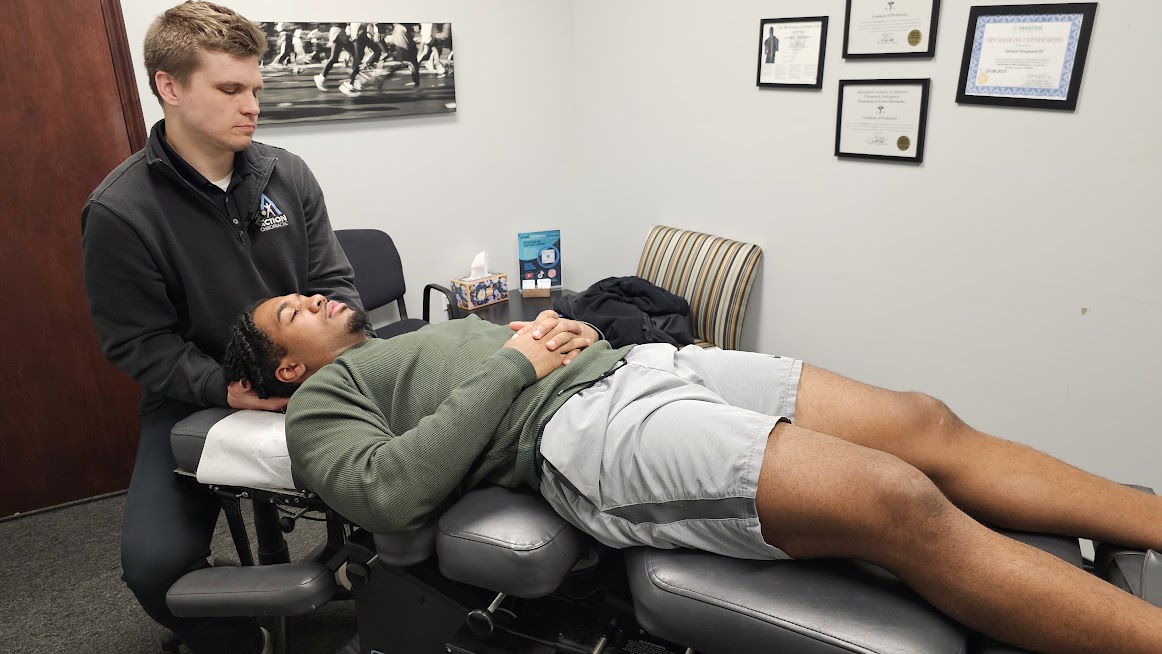
Can A Chiropractor Help With Vertigo?
Have you ever stood up, turned your head, and suddenly felt the room spin around you? This spinning sensation is widely known as vertigo.
Vertigo can make simple movements feel unsafe and unpredictable, especially if the cause isn’t clear. That dizziness often occurs alongside neck stiffness, past injuries, or poor posture. It isn’t always limited to the inner ear.
Sometimes, the problem starts in the cervical spine, where joints, muscles, and nerves help control balance and body awareness. When this area doesn’t move correctly, the brain may receive mixed signals. In turn, it leads to spinning sensations of instability.
At this point, the dizziness is accompanied by neck pain or posture problems. You may begin to wonder whether a chiropractor can help with vertigo. The present blog has answered this question. We have explained the connection between chiropractic care and vertigo, the conditions that may trigger these symptoms, and how targeted treatment helps restore normal balance and movement.
Stay connected to learn what causes vertigo, how chiropractic care may help, and when treatment can improve balance.
What Is Vertigo?
Vertigo isn’t the same as ordinary dizziness. It’s a sensation that makes your surroundings feel as if they’re spinning, tilting, or shifting, even when your body is still. The feeling can last a few seconds or continue for minutes. In some cases, it keeps returning without any warning.
For many people, the problem starts after a sudden neck strain, head movement, or an inner ear disturbance. You may also notice nausea, imbalance, blurred vision, or difficulty focusing while walking. In clinical practice, vertigo is linked to the balance system that involves the inner ear, the brain, and the cervical spine. When signals from these parts don’t match, the brain struggles to correctly understand body position. For this, you may start exploring vertigo and chiropractic care when symptoms appear, such as posture-related discomfort or neck stiffness. Understanding how vertigo is related to the neck and nervous system helps explain why chiropractic care may help in some cases.What Causes Vertigo?
Vertigo can develop for several different reasons, and the cause isn’t always limited to the inner ear. Balance depends on coordination between the brain, the spine, the eyes, and the nervous system. When one part of that system doesn’t work correctly, the brain may receive confusing signals about position and movement.
Because of that, you may wonder if collaborating with a chiropractor for vertigo care makes sense when symptoms appear. Take a look at the most likely causes to understand why the right diagnosis is important before choosing chiropractic treatment.Inner Ear Problems
The most common cause of vertigo is the inner ear, which houses the body’s balance system. Conditions such as benign positional vertigo, infections, or fluid imbalance can disturb the way the brain detects motion.
These problems often create sudden spinning sensations, nausea, or difficulty focusing as the head changes position. You may notice the feeling becomes stronger when lying down, looking up, or turning quickly.Neck-Related Vertigo (Cervicogenic Vertigo)
Vertigo can also begin in the cervical spine. The joints, muscles, and nerves in the neck constantly send information to the brain about body position. When the neck becomes stiff, injured, or restricted, those signals may not match what the eyes and inner ear detect.
The result can feel like dizziness, imbalance, or a floating sensation. In many cases, symptoms appear along with neck tension, headaches, or limited movement.
Head or Neck Injury
A fall, sports impact, or car accident can affect both the brain and the cervical spine terribly. Even after the initial pain improves, the body will still struggle to process balance signals correctly.
These injuries can irritate joints, strain muscles, or disturb nerve communication, which may lead to recurring dizziness. Vertigo like this can start after an accident and may persist even after other symptoms seem to heal.
Nervous System or Posture Issues
Balance depends on accurate communication between the brain and the rest of the body. Poor posture resulting from long hours at a desk can change the way the neck and upper back move. Repeated strain is another crucial contributing factor.
Over time, that stress may affect nerve function and body awareness. In some cases, the brain receives mixed information about position. It can create unsteadiness, light-headedness, or spinning sensations even without an inner ear problem.
How is Vertigo Related to the Neck and Spine?
In maintaining balance, the neck plays a larger role than most people realize. Small joints in the cervical spine send constant feedback to the brain about head position and movement. When those signals are accurate, the body stays steady during walking, turning, or looking around.
As soon as these signals are disrupted, the brain may struggle to understand where the body is in space. That confusion can cause a spinning or drifting sensation, often described as vertigo.
Restricted joints, tight muscles, or past injuries can alter neck movement. Over time, the nervous system may begin to react to those changes, especially sudden head motion. You will notice dizziness after long hours at the desk, a workout, or upon waking with upper spine stiffness.
In situations like these, the problem may not begin in the ear, but in the way the neck communicates with the brain.
Owing to that connection, some cases ofvertigo chiropractic care focus on restoring normal motion in the cervical spine. As the joints move more naturally, the brain receives clearer information about position and balance. This improvement can reduce feelings of instability and help the body regain better control during everyday movement.Can A Chiropractor Help With Vertigo?
In some cases, vertigo improves when the problem involves joint movement, the neck, or nerve communication. Chiropractic care restores normal spinal motion, allowing the brain to receive accurate information about body position.
A proper evaluation helps determine if the symptoms are coming from the spine or another system in the body. If the cause involves joint restriction or nerve irritation, a provider may recommend specialized chiropractic treatment.
When it comes to vertigo, improve motion and reduce stress on the nervous system. The goal is not just symptom relief but better balance control during daily movement.What Types of Vertigo Can Chiropractic Care Help With?
The following are the types of vertigo chiropractic care can address:
- Cervicogenic vertigo
This type develops when the neck joints do not move correctly. Faulty signals reach the brain, creating a sense of spinning or drifting.
- Post-injury vertigo
Dizziness may begin after a fall, sports impact, or car accident. Lingering stiffness in the cervical spine can disturb normal balance control.
- Posture-related vertigo
Long hours in poor posture could strain the upper spine. Over time, that strain can affect nerve feedback, leading to recurrent dizzy episodes.
- Vertigo linked to muscle tension
Tight neck muscles can limit motion and affect coordination. Such reduced mobility may change how the brain interprets head position.
- Vertigo connected to joint restriction
Small joints in the cervical spine guide the awareness of your entire body. As they become restricted, the brain may receive unclear signals, which can affect stability.
Benefits Of Chiropractic Care For Vertigo
Chiropractic care aims to improve the way the spine moves and how the nervous system responds to that movement. Care focused on the cervical spine may help the body regain better control of position and stability.
Because of that, you can consider chiropractic care for vertigo after noticing dizziness with neck tightness or limited motion.
For active adults and athletes, who rely on precise body control, these core benefits are worth considerable:
Improves Neck Mobility
Restricted motion of the cervical spine can affect how the brain perceives head position.
Gentle adjustments may help joints move more naturally, thereby improving the accuracy of balance signals. Better movement often leads to fewer dizzy episodes during daily activity.
Supports Nervous System Function
Reduces Muscle Tension That Affects Balance
Helps Recovery After Injury
Encourages Better Posture And Body Awareness
If you are into active sports, poor posture can slowly change how the spine moves and how the brain receives position signals. The benefits of chiropractic care for athletes often include guidance on movement and corrective exercises that improve alignment.
With better posture, your body can stay steady during practice, exercise, and daily routines.
How Chiropractors Treat Vertigo?
The fundamental objective of the chiropractic approach to vertigo is to improve spinal movement primarily. At the same time, it also addresses how the nervous system responds to the movement. The goal is to help the brain receive clear signals about body position so balance feels steady again.
Immediately after noticing dizziness, you may experience stiffness or neck pain. If these symptoms sound familiar, start researching how a chiropractor can treat vertigo. The points below will help you understand what treatment options are available to you:Chiropractic Adjustment –
A chiropractic adjustment restores proper motion in the joints of the spine, specifically, in the neck. Restricted joints can affect the way the brain senses position and movement.
Gentle adjustments help the joints move more naturally, which reduces spinning sensations and loss of balance during daily activities. However, the technique solely stands on individual findings. The treatment has to fit your specific problem instead of using the same approach for every patient.
Soft Tissue Therapy –
Strained muscles in the neck and upper back can interfere with posture and limit normal movement. With soft-tissue therapy, an expert can focus on releasing tension to help your body move more freely.
This treatment includes manual pressure, stretching, or guided muscle work that enhances flexibility. You may notice that dizziness becomes less intense as muscle tightness decreases, and you can move your neck comfortably.
Balance and Vestibular Exercises –
Balance exercises help train the brain to respond correctly to motion. These exercises are common when you need to improve coordination between the eyes, the neck, and the balance. The movements are simple but require regular practice and professional chiropractic guidance. Gradually, the nervous system can adapt and respond more accurately. The feeling of spinning or drifting during normal activities will eventually decrease.
Posture and Movement Correction –
An incorrect posture places extra stress on the cervical spine and alters the way the body senses position. When a professional chiropractor provides corrective guidance, it facilitates how your body sits, stands, and moves during daily tasks.
A few small adjustments in movement patterns can make a noticeable difference in stability. You will feel confident walking, turning, and looking up after posture rectification, and your spine will move with less restriction.
Lifestyle and Ergonomic Advice –
Your day-to-day habits often affect how the neck and upper spine function. Strain on the cervical spine increases due to long work hours at a desk, screen use, or poor sleep position. The most effective chiropractic guidance relies on ergonomic advice to reduce that stress and supports long-term improvement.
For instance, you can prevent and manage recurring symptoms by adjusting workspace setup, activity level, and sleeping posture.
What to Expect During Chiropractic Care for Vertigo?
We customize each of our treatments, meaning we consider individual findings rather than a fixed routine. Our providers use gentle adjustments to improve neck movement. Moreover, soft-tissue work helps reduce muscle tightness, which can affect coordination.
We also incorporate guided exercises to augment balance and help the nervous system respond more accurately to motion. For stubborn symptoms, you will receive personalized recommendations on posture and daily activities to improve spinal alignment.
Our care is designed to support long-term stability, and not simply short-term relief. It makes the process more useful for people dealing with recurring dizziness.
Choose Take Action Chiropractic for Vertigo Care
Our tailored approach assesses movement, balance, and spinal function to create a plan that suits your condition. If dizziness keeps returning or affects your normal activity, our team is ready to help.
Schedule a visit with us today and take the first step toward steadier movement.
