
How Chiropractic Care for Herniated Disk Helps Relieve Back Pain Naturally
Table of Contents
Are you struggling with a sharp, radiating pain in your lower back? Does sitting, standing, or even sleeping seem like a struggle? That sharp pain in your lower back could be a herniated disc – and it doesn’t always require surgery.
Back pain caused by a herniated disc makes even simple movements difficult and frustrating. Whether it’s a sharp pain in your lower back or a tingling sensation running down your leg, this condition disrupts your daily routine and affects your quality of life.
Many people turn to medications or consider surgery. It’s quick, seems like a solution, and other holistic options are rarely discussed. However, surgery or medication does not address the root cause of the problem.
Here’s where chiropractic care for a herniated disc offers a natural and effective alternative.
By focusing on spinal alignment and relieving pressure on the affected nerves, chiropractic treatment helps reduce pain and improve mobility without invasive procedures.
In this detailed read, we’ll explore how chiropractic care works, the techniques used, and whether a chiropractor can help you find lasting relief from herniated disc pain.
What Is a Herniated Disc And Why Does It Cause Back Pain?
A herniated disc, or a slipped disc, occurs when one of the soft, cushion-like discs between your spinal bones slips out of place or develops a tear.
These discs act as shock absorbers for your spine, helping you move comfortably. When a disc is damaged, it can press on nearby nerves, leading to pain, discomfort, and reduced mobility.
A slipped disc is one of the most common reasons people seek chiropractic care for a herniated disc.
Common causes of a herniated disc –
Injury or sudden strain – Lifting heavy objects incorrectly or sudden twisting movements
Poor posture – Sitting for long hours with improper back support
Aging and wear & tear – Discs naturally lose flexibility over time
Sedentary lifestyle – Lack of movement weakens spinal support muscles
Typical symptoms you may experience –
Lower back pain – Persistent or sharp pain in the lumbar region
Sciatica – Pain radiating from the lower back down the leg
Numbness or tingling – Often felt in the legs, feet, or arms
Muscle weakness – Difficulty in movement or reduced strength
Understanding these symptoms early is vital. With the right approach, including herniated disc chiropractic treatment, you can manage pain effectively and prevent the condition from worsening.
Can a Chiropractor Help with a Herniated Disc?
Targets the root cause, not just symptoms
Reduces pressure on affected nerves
Improves mobility and flexibility
Supports natural healing
How Chiropractic Care for Herniated Disc Works
Can A Chiropractor Help With Vertigo?
In some cases, vertigo improves when the problem involves joint movement, the neck, or nerve communication. Chiropractic care restores normal spinal motion, allowing the brain to receive accurate information about body position.
A proper evaluation helps determine if the symptoms are coming from the spine or another system in the body. If the cause involves joint restriction or nerve irritation, a provider may recommend specialized chiropractic treatment.
When it comes to vertigo, improve motion and reduce stress on the nervous system. The goal is not just symptom relief but better balance control during daily movement.Spinal Alignment & Pressure Relief
A herniated disc often creates uneven pressure on the spine, worsening pain and inflammation.
Through chiropractic adjustment for a herniated disc, chiropractors gently realign the spine.
This helps redistribute pressure away from the damaged disc, allowing it to return to a healthier position.
Proper alignment also improves posture, which prevents further strain on the spine.
Techniques are controlled and precise, ensuring safety and comfort.
Improving Mobility & Function
Herniated discs can cause stiffness and restricted movement, making everyday activities difficult.
Chiropractic for a herniated disc includes targeted adjustments and movement-based therapies.
These treatments help –
Restore joint flexibility
Improve range of motion
Reduce stiffness in surrounding muscles
Better mobility means less strain on the affected area and a lower risk of worsening the injury.
Over time, patients experience smoother, pain-free movement.
Reducing Nerve Compression
The main source of pain in a herniated disc is nerve compression
When the disc presses on nearby nerves, it can cause –
Radiating pain (like sciatica)
Tingling or numbness
Muscle weakness
Chiropractic techniques work to relieve this pressure naturally by –
Creating more space between vertebrae
Reducing inflammation around the nerve
Improving spinal positioning
This leads to reduced pain signals and better nerve function
Supporting Natural Healing
Chiropractic care also encourages the body to heal itself without drugs or surgery. Improved spinal alignment enhances –
Blood circulation
Oxygen and nutrient flow to the affected area
This speeds up recovery and helps maintain long-term spinal health
Overall, chiropractic care for a herniated disc combines precise adjustments and supportive therapies to relieve pain, restore movement, and help you return to normal activities safely and naturally.
Encourages Better Posture And Body Awareness
Common Chiropractic Treatment Techniques for Herniated Disc
Spinal Manipulation/Adjustments
One of the most common approaches in chiropractic treatment for a herniated disc is spinal manipulation. This involves controlled, precise movements applied to specific joints of the spine. The goal is to improve alignment and reduce pressure on the affected disc.
When done correctly, chiropractic manipulation for a herniated disc can help ease inflammation, improve nerve function, and provide noticeable pain relief. These adjustments are always adapted to the patient’s comfort level and condition severity.
Flexion-Distraction Technique –
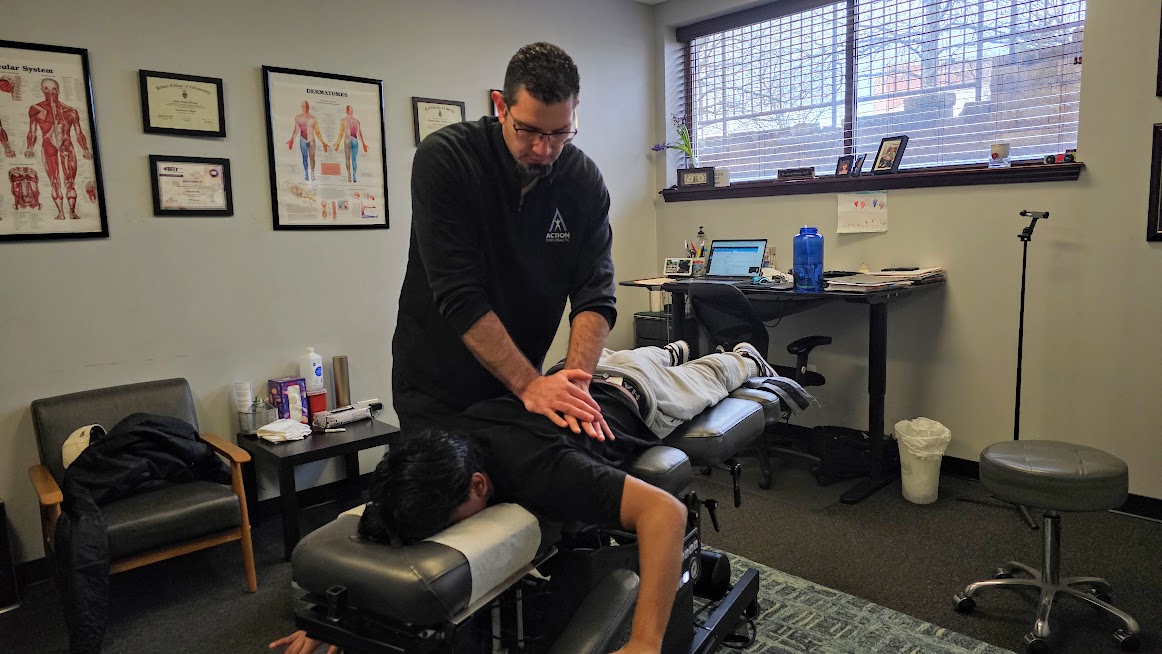
This is a gentle, low-force technique often used for disc-related problems. It involves a specialized table that moves in a controlled manner to stretch the spine. This process helps create space between the vertebrae, reducing pressure on the herniated disc and nearby nerves.
It is especially useful for patients dealing with sciatica or lower back pain and is considered a safe option for those who prefer a softer approach to chiropractic for a herniated disc.
Decompression Therapy –
Spinal decompression is another effective method used in chiropractic care for a herniated disc. It works by gently stretching the spine to reduce internal disc pressure. This creates a better healing environment by allowing nutrients, oxygen, and fluids to reach the affected area.
Over time, this can help reduce pain and support the disc’s natural recovery process.
Soft Tissue Therapy –
In addition to spinal techniques, chiropractors often include soft tissue therapy to address muscle tension around the injured area. Tight muscles can worsen pain and restrict movement, so releasing this tension is important. Techniques like massage or myofascial release improve blood flow and support overall healing.
In most cases, chiropractors combine these methods into a personalized plan. This ensures that chiropractic treatment for a herniated disc is not only effective but also tailored to your specific condition, helping you recover safely and naturally.
Benefits of Chiropractic Treatment for Herniated Disc
Pain Relief Without Medication
Pain Relief Without Medication
A herniated disc can make even simple movements feel restricted and uncomfortable. With regular chiropractic adjustment for a herniated disc, patients often experience –
Better range of motion
Reduced stiffness
Easier daily movement
Improved mobility not only enhances comfort but also helps prevent further spinal strain.
Faster Recovery and Healing
Chiropractic care supports the body’s natural healing process. Improving spinal alignment and circulation allows nutrients and oxygen to reach the affected area more efficiently. This can lead to –
Quicker reduction in pain
Better tissue repair
More effective recovery over time
Reduced Inflammation
Lower Chances of Surgery
Many people consider surgery when dealing with severe back pain, but it’s not always necessary. Chiropractic treatment for a herniated disc offers a conservative approach that can help manage symptoms effectively. For many patients, consistent care can –
Delay or eliminate the need for surgery
Provide lasting relief without invasive procedures
A Holistic, Long-Term Approach
When to See a Chiropractor for Disc Herniation & What to Expect During Treatment
When should you see a chiropractor?
You should consider chiropractic care for a herniated disc if you experience –
Persistent back or neck pain that doesn’t improve with rest
Radiating pain (sciatica) that travels down your legs or arms
Numbness or tingling sensations in your limbs
Limited movement or stiffness affecting daily activities
Discomfort while sitting, standing, or sleeping
Early intervention is important. Addressing the issue sooner can reduce inflammation, relieve nerve pressure, and improve your chances of avoiding more serious treatments like surgery.
What to expect during chiropractic treatment?
If you’re new to chiropractic care, it’s natural to feel unsure. Understanding the process can help ease that uncertainty.
Initial consultation
Your chiropractor will begin by discussing your symptoms, medical history, and lifestyle. This helps identify the root cause of your pain.
Thorough diagnosis
A physical examination is conducted to assess spinal alignment, mobility, and nerve function. In some cases, imaging tests may be recommended for a clearer understanding.
Personalized treatment plan
Based on your condition, a tailored plan is created using appropriate chiropractic treatment for herniated disc techniques. This may include adjustments, decompression, or soft tissue therapy.
Session frequency and progress tracking
Treatment frequency depends on the severity of your condition. Regular sessions help monitor progress, adjust techniques, and ensure steady improvement.
Chiropractic care is a gradual and supportive process. With the right approach, it not only relieves pain but also helps restore movement and improve your overall quality of life – naturally and safely.
When Chiropractic Care May Not Be Suitable
Situations where chiropractic care may not be suitable –
Severe nerve damage
If a herniated disc is causing significant nerve compression, it can lead to serious symptoms like extreme weakness, loss of coordination, or difficulty moving. In such cases, urgent medical evaluation is necessary to prevent long-term damage.
Loss of bladder or bowel control
This is a rare but serious condition (often linked to cauda equina syndrome) and requires emergency treatment. Chiropractic care alone is not appropriate here, and immediate medical intervention is critical.
Progressively worsening symptoms
If pain, numbness, or weakness worsens despite care, it may indicate a more complex issue that requires further investigation.
Advanced or severe disc conditions
In some cases, when disc damage is extensive or not responding to conservative care, a specialist may recommend surgical options.
Why does this matter?
Is Chiropractic Care Right for You?
Dealing with a herniated disc can feel overwhelming, but the good news is that relief doesn’t always have to come from medication or surgery. Chiropractic care for a herniated disc offers a natural, effective way to reduce pain, restore movement, and improve your overall quality of life.
At Action Chiropractic and Sports Injury Center, the focus is on helping you recover safely and efficiently with personalized, results-driven chiropractic care. Our team understands that no two patients are the same, which is why every treatment plan is tailored to your specific condition, symptoms, and lifestyle.
Using advanced chiropractic techniques for herniated discs, we work to relieve pressure on affected nerves, restore spinal alignment, and support long-term healing.
Whether you are experiencing persistent back pain, sciatica, or limited mobility, getting the right care at the right time can make all the difference. We are committed to helping you move better, feel stronger, and get back to your daily life – naturally and confidently.
