
Can a Chiropractor Help With Spinal Stenosis Naturally?
Table of Contents
Did you notice severe cramping in your legs when walking a short distance? Does arching your back instantly pinch nerves? These could mean that your spinal stenosis is getting worse.
People may rely on surgery as a resort, but like any other procedure, it comes with potential risks. Often, surgeries can’t guarantee the recurrence of spinal stenosis. Hence, people explore conservative options.
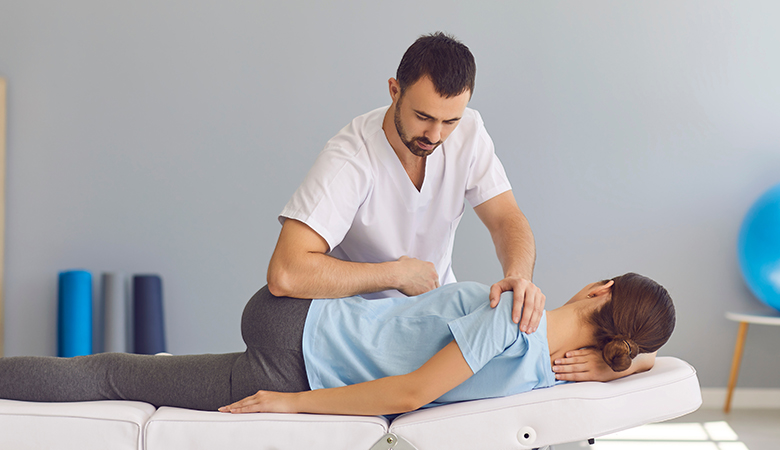
One such option is chiropractic care for spinal stenosis. It is a non-invasive approach that uses gentle manipulation of the spine. A professional chiropractor stretches and decompresses the spine using a segmented table to widen the spinal canal.
If you’re wondering whether a chiropractor can help with spinal stenosis, then you’ve come to the right place.
In this guide, we’ll explain what spinal stenosis is, causes and symptoms, and how chiropractic care can help. You will also learn when the right time to see a chiropractor is.
What is Spinal Stenosis?
Spinal stenosis is a condition in which the spinal canal narrows, putting pressure on the spinal cord or nearby nerves. The narrowing typically takes place due to age-related changes in the spine. However, certain injuries can also contribute to the condition.
As the spinal canal narrows, the local nerves become more compressed. It leads to numbness or muscle weakness, depending on which part of the spine is involved.
For instance, when you’re walking, the lumbar spine is supporting the movement. Spinal stenosis can put pressure on the nerves and muscles in the legs, causing pain or tingling even during a short walk.
Types of spinal stenosis
Now that you know what spinal stenosis is, it’s time to understand the types. The narrowing of the spinal canal puts pressure on the nerves that travel through the spine, causing them to become pinched.
If the narrowing occurs in the lower back, the pressure is on the nerves that travel along the legs. The pressure can cause weakness or pain when standing for long periods. Based on the location, spinal stenosis can be of two types:
Lumbar spinal stenosis
It affects the lower back and is the most common form of the condition. It often causes pain, numbness, or weakness that radiates into the hips, buttocks, or legs.
Many people find that their symptoms worsen when standing or walking but improve when they sit down or lean forward.
Cervical spinal stenosis
Cervical spinal stenosis develops in the neck. It can cause neck pain along with weakness, numbness, or tingling in the shoulders, arms, and hands.
In more advanced cases, it may also affect balance, coordination, or fine motor skills.
It is an essential step to identify the location and severity of spinal stenosis. Once you locate where the nerve hurts, it helps create personalized care to support long-term mobility and function.
Causes and Symptoms of Spinal Stenosis
After learning the types of spinal stenosis, you may want to know its triggers and signs. Knowing these can help you manage the condition naturally.
Once you understand the condition, it helps prevent irreversible complications such as severe mobility loss, chronic pain, and partial paralysis.
What are the causes of spinal stenosis?
Primarily, spinal stenosis takes place due to the narrowing of the space within your spine. While some cases are congenital, others may develop in later life.
The following are the causes of spinal stenosis:
Herniated or bulging discs:
With age, the spinal discs lose moisture and become thinner. As a result, the cushioning between the bones reduces, leading to herniation or bulging. Both of these conditions can contribute to spinal stenosis.
Age-related wear and tear of the spine:
Aging naturally contributes to the degeneration of the spine, including joints and ligaments. These changes narrow the space around spinal nerves, leading to spinal stenosis.
Previous spinal injuries or trauma:
Sports injuries, falls, and car accidents can damage the spine and alter its alignment. Such incidents gradually narrow the spinal canal and increase pressure on nearby nerves.
Thickened spinal ligaments:
The tough ligaments that hold your spine together can become thicker over time. As they thicken, a bulge forms in the spinal canal, reducing the space available for the spinal cord and nerves.
Poor posture or prolonged sitting:
Slouching or sitting for long periods can strain the lumbar and cervical regions. The spinal canal may narrow due to poor posture, causing spinal stenosis.
What are the symptoms of spinal stenosis?
The symptoms of spinal stenosis depend on where the narrowing occurs (lumbar or cervical areas). It also depends on how much pressure it places on the nerves, which can cause them to be pinched. When you’re performing everyday activities like walking or standing, the symptoms may worsen.
However, when you sit or lean forward, the discomfort seems less. The following are the spinal stenosis symptoms:
Sciatica: Sharp, burning pain that travels along the lower back to one or both of your legs.
Foot drop: Difficulty in lifting the front part of the foot. As a result, you drag the foot while walking.
Motor issues: Muscle weakness that makes daily movements such as walking or climbing stairs more challenging.
Balance problems: Difficulty maintaining balance or feeling unsteady when walking or standing.
Neurogenic claudication: Numbness or cramping in the legs when walking or standing. To relieve this discomfort, you sit or lean forward.
Chiropractic Care For Spinal Stenosis
Once you’ve learned the symptoms of spinal stenosis, you may be curious to find a way to manage them. Indeed, surgeries are there, but they may not be suitable for everyone. Not to mention, the medications followed by the surgery can cause other complications.
Because of all that, it’s ideal to choose a non-surgical treatment for spinal stenosis. A popular option is chiropractic treatment. It is a holistic approach to reducing pressure on the nerves that occurs due to increasing spacing within the spine.
A chiropractor assesses the location of the spacing along the spine. Once they identify the spot, they perform various spinal adjustments to reduce the pressure. The right techniques also ensure that chiropractic care helps with a pinched nerve so you can perform everyday activities comfortably.
How Does Chiropractic Care Help With Spinal Stenosis?
Chiropractic care relieves spinal stenosis symptoms by using manual therapies. Sometimes professionals use instruments to locate where the spacing of the spine is and the pressure it creates on the adjoining nerves.
Once located, they combine manual spinal adjustments and physical exercises to manipulate the spinal cord. The process helps restore joint mechanisms and reduce inflammation from injuries. As a result, you may feel the pain, tingling, and numbness leaving your body.
Since the effects of spinal stenosis vary from person to person, the chiropractor will first assess your condition and then recommend treatment.
Here’s how chiropractic care helps with spinal stenosis:
Spinal adjustments to improve mobility
Chiropractors use spinal adjustments to improve joint function and mobility. They first evaluate the symptoms, movement patterns, and spinal health to determine whether it is the appropriate technique for your condition.
Instead of aggressively applying pressure to the affected region, the professional applies controlled force to the specific joints where the spacing occurs.
The goal of the technique is to reduce joint stiffness and improve whole spine function. Although these adjustments cannot reverse the narrowing caused by spinal stenosis, they alleviate mechanical stress on surrounding joints and tissues.
Therefore, spinal adjustments can contribute to pain relief from spinal stenosis. Once the gap within the spine reduces, you can perform daily activities with greater comfort.
Soft tissue therapy to reduce muscle tension
When spinal nerves compress, the adjoining muscles become stiff to protect the affected area. Though your body makes a natural response, persistent muscle tension can limit flexibility and make movements more challenging.
Chiropractic care involves soft-tissue therapy to address tight muscles, tendons, and connective tissues. It combines active release techniques (ART) to loosen the tight muscles.
The chiropractors use their hands to locate the trigger points manually. They break the restrictive adhesion that causes pain. While doing so, they reduce the pressure on the spinal cord.
The benefits of soft tissue therapy include improved muscle mobility. It thus supports daily activities.
Spinal decompression for nerve pressure relief
As a part of chiropractic care, professionals use spinal decompression to release pressure on compressed spinal discs and nerves. They place the individual on a specialized decompression table to carefully stretch the spine in controlled cycles.
The process develops more space between the vertebrae. It helps reduce pressure on inflamed nerves and improve the movement of oxygen, fluids, and nutrients to the spinal discs.
People living with spinal stenosis can benefit from spinal decompression therapy. The chiropractors use motorized traction to identify the areas of discomfort.
The traction stretches the spine and alters its position, creating negative pressure. Such vacuum effects pull bulging discs inward and relieve the agonizing pain. Consistently taking such therapy will reduce leg cramping and radicular pain in the neck and shoulders.
Rehabilitation exercises to improve strength
In addition to hands-on adjustments and motorized stretching, chiropractors use rehabilitation exercises to help with spinal stenosis. These exercises target the muscles that support your spine to reduce stress on compressed nerves.
The common exercises include pelvic tilts, knee-to-chest stretches, and cat-cow stretches. Through these exercises, chiropractors aim to break adhesions that may develop due to spinal stenosis.
These exercises support the spine and build strength for everyday activities. Even practicing abdominal bracing or modified bridges will help you walk longer distances, reducing the cramping or numbness in your legs.
When Should You See a Chiropractor For Spinal Stenosis?
Spinal stenosis can impact your life in ways you cannot imagine. The sharp pain in the lumbar region will challenge your movements, such as walking, standing for long periods, or even climbing stairs.
Moreover, nerves compressed in your neck and shoulders can make it difficult to maintain a steady posture or lift objects. In such scenarios, you should see a chiropractor.
Individuals should also consider visiting the chiropractor when:
Muscle weakness impacts your everyday activities.
You experience frequent flare-ups that limit your mobility.
Standing or walking for a while causes discomfort.
Your back or neck feels stiff despite adequate rest.
You need conservative care to heal from spinal stenosis naturally.
Manage Spinal Stenosis Naturally with Action Chiropractic and Sports Injury Center
If you’re still wondering if a chiropractor can help with spinal stenosis, then the answer is yes. Using hands-on manipulation, chiropractors can address spinal narrowing.
The gentle spinal adjustments, spinal decompression, soft tissue therapy, and rehabilitation exercises increase the space between the spinal discs. It thus helps improve mobility and allows individuals to walk, stand, or lift objects freely.
Getting chiropractic care at an early stage can support balance, strength, and stability.
At Action Chiropractic and Sports Injury Center, we begin treatment with a comprehensive evaluation of your condition. Whether it’s your neck or legs that are strained, we provide personalized chiropractic care that includes active release techniques (ART) to help relieve pain.
Our goal is to help you return to activities you performed without any limitations. It is not an overnight process, but our team ensures we gradually reduce stiffness, cramping, and tingling.
Explore our wide range of chiropractic techniques and manage your spinal stenosis naturally.
Frequently Asked Questions
1. Can spinal decompression therapy help spinal stenosis?
Yes, spinal decompression therapy helps people with spinal stenosis. It gently reduces pressure on the spine and improves mobility. A chiropractor evaluates your condition and symptoms and then recommends it as part of the treatment plan.
2. Is physical therapy for spinal stenosis better than chiropractic care?
Physical therapy for spinal stenosis focuses on improving balance, strength, and flexibility. Chiropractic care, on the other hand, aims to address movement dysfunction and joint mobility. Depending on your condition, your healthcare provider may recommend one or both as a part of the treatment plan.
3. Can chiropractic care cure spinal stenosis?
Chiropractic care can help manage pain and improve mobility that becomes difficult with spinal stenosis. However, it cannot reverse the underlying structural narrowing of the spinal cord. The professional will use gentle adjustments to reduce pressure on compressed nerves and surrounding muscle spasms.
4. What is the goal of spinal stenosis chiropractic treatment?
The goal of spinal stenosis chiropractic treatment is to improve mobility, reduce pain, and help you perform daily activities comfortably. Based on your specific needs, the chiropractor may combine treatment approaches such as soft-tissue therapy, rehabilitation exercises, and lifestyle modifications.
5. How many chiropractic sessions are usually needed for spinal stenosis?
A typical chiropractic treatment for spinal stenosis involves 12-20 sessions spread over 4-6 weeks. Since it is a degenerative chronic condition, people require 2-3 visits per week initially. As the treatment gradually manages pain and improves mobility, people may space out visits.
